Acacia decking: thickness, joists and a ventilated facade
Choosing acacia decking boards by thickness and grade, setting joist spacing under a deck, and why a ventilated cladding keeps exterior timber dry.
The practice of running a home, written down.
Filed from March 2026
The record
The ordinary work that keeps a home running, written down. Every entry is dated and filed under its section.
The six shelves
Every household task belongs somewhere. These are the six places we keep them, and nothing is written here that could not be put into practice this week.
The repeated work: what gets done every morning, every Friday, every first Sunday. Routines are the only part of housekeeping that compounds, and they are the cheapest to build.
Open the shelf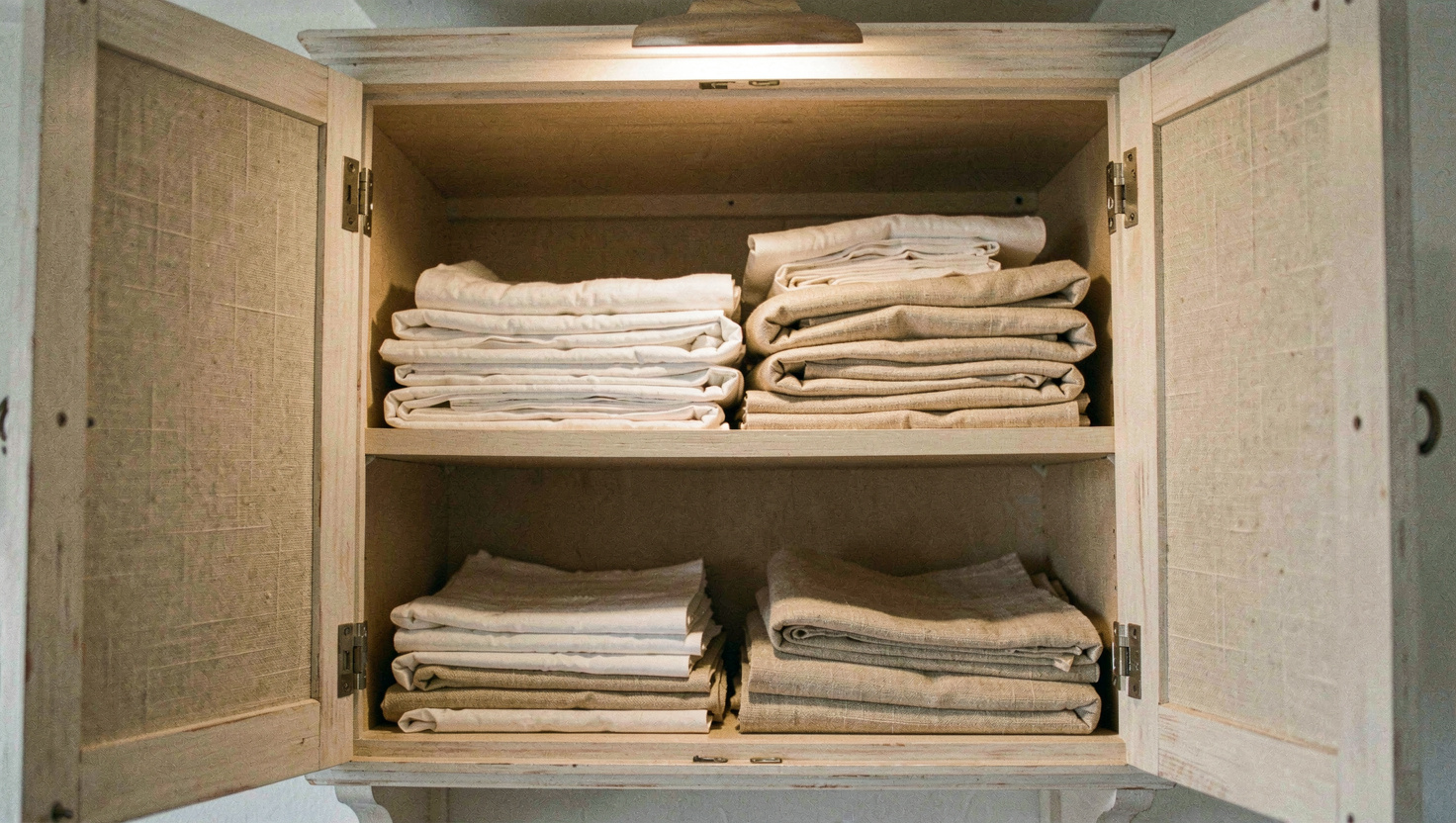
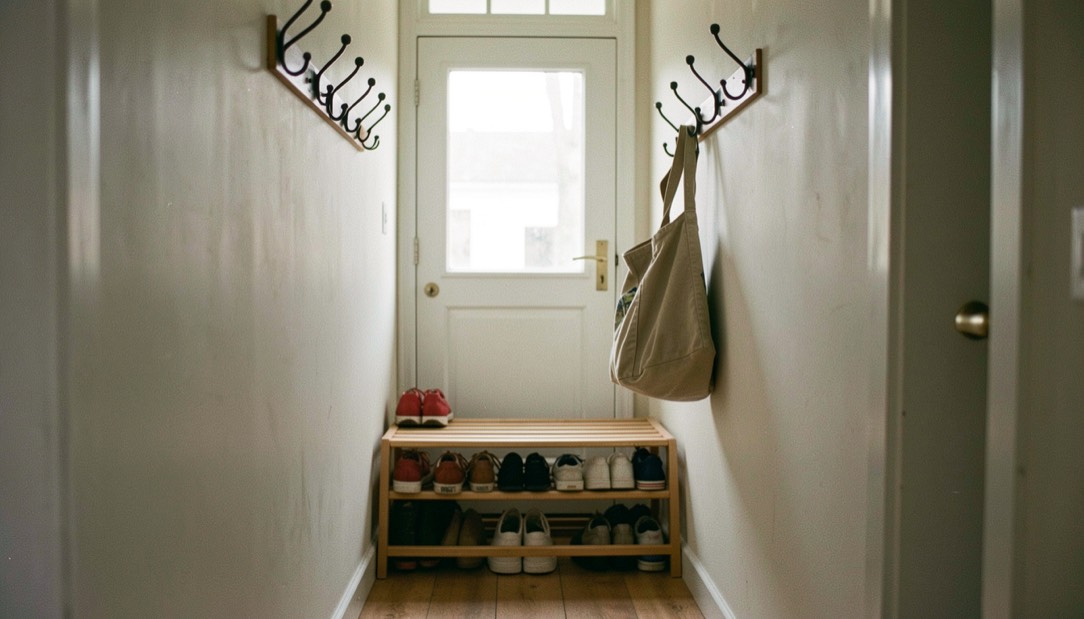
Where objects live and why they end up somewhere else. We look at frequency of use, reach, labels that survive a year, and the shelves worth leaving empty.
Open the shelf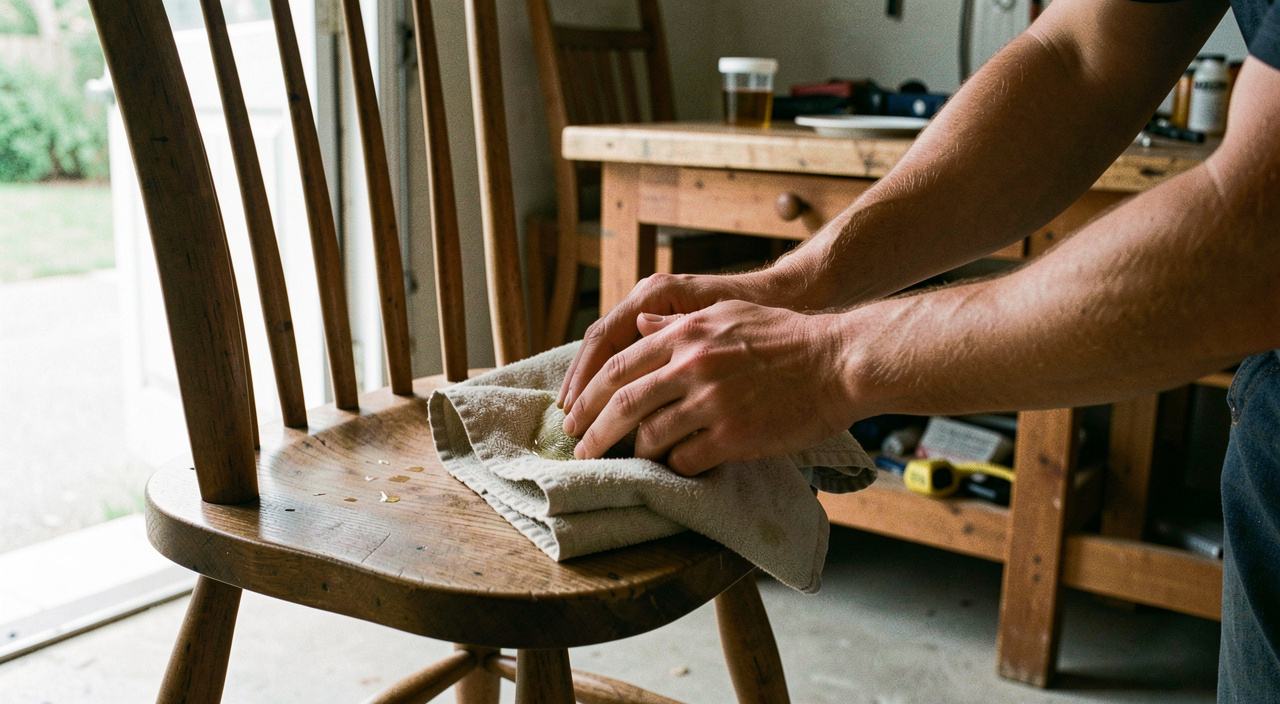
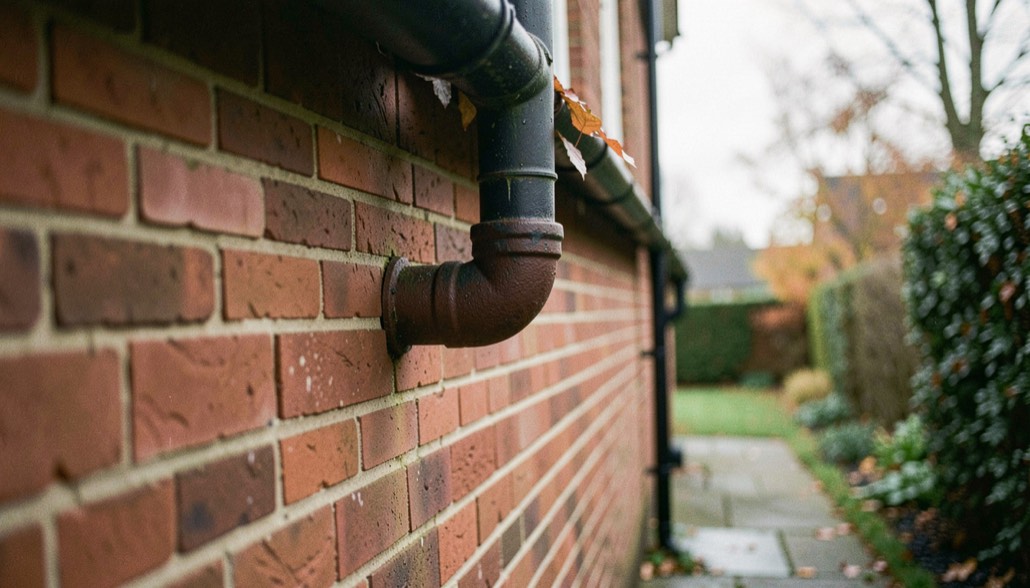
Maintenance before repair. Seasonal walks around the building, filters, drains, hinges, and the small failures that get expensive only when they are ignored.
Open the shelf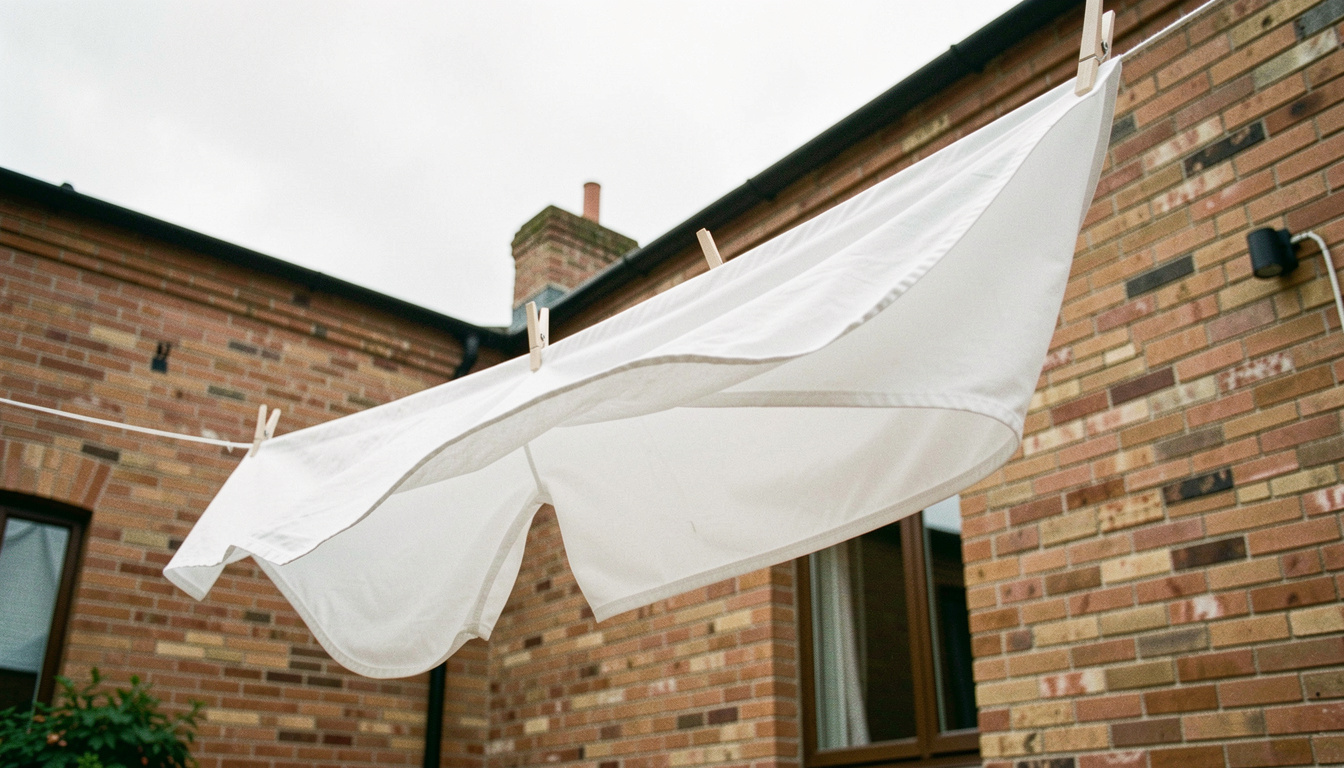
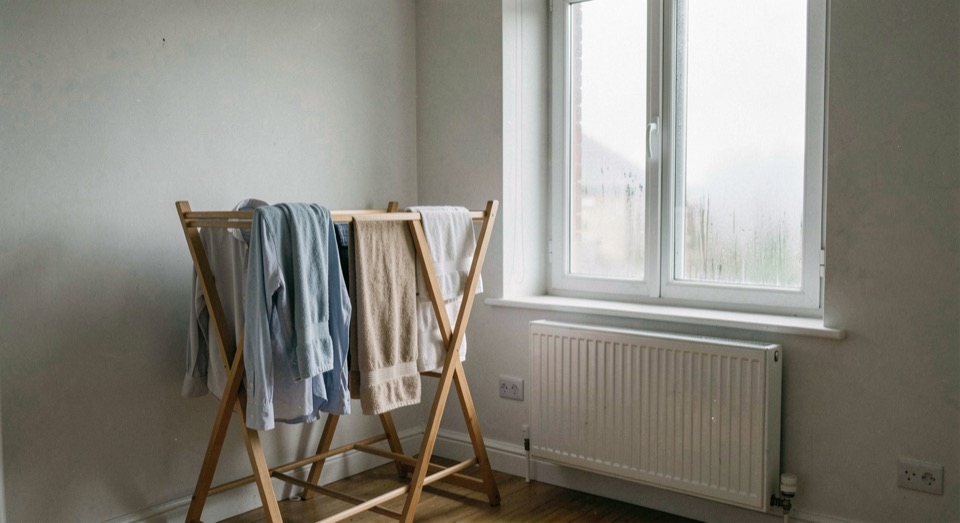
Laundry, bedding, towels and the fabrics that wear out first. Care labels read properly, drying without damp, and rotations that keep linen in service for years.
Open the shelf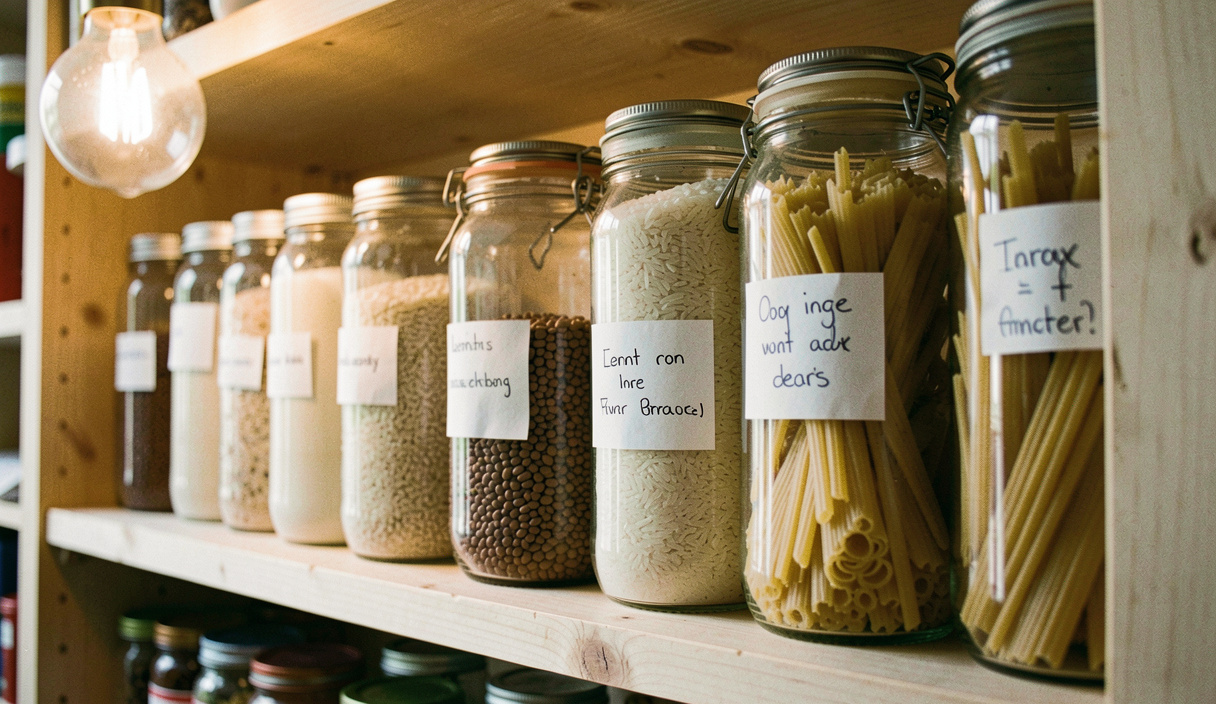
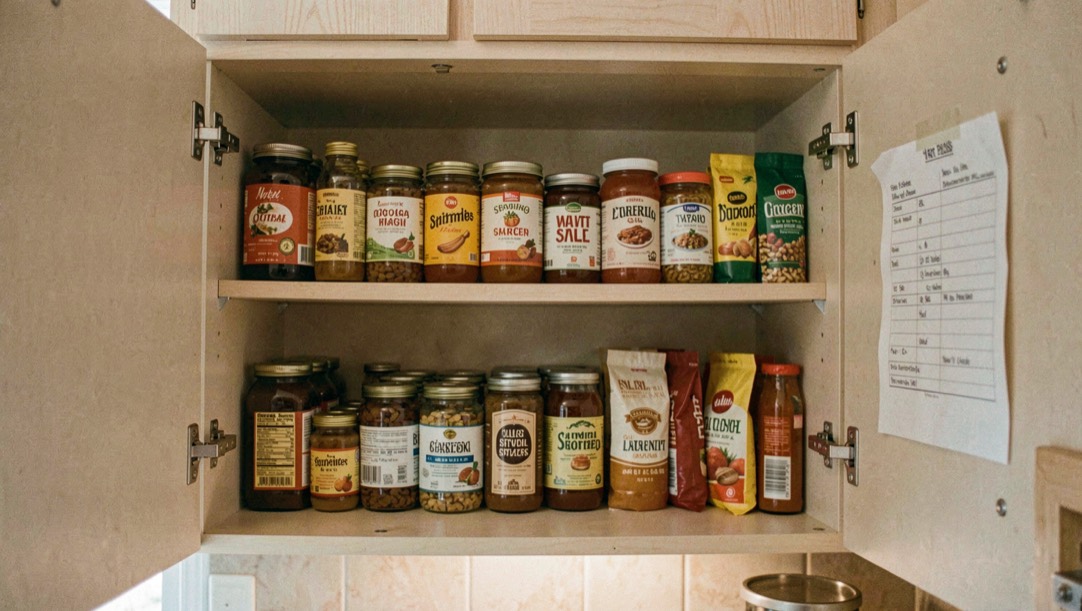
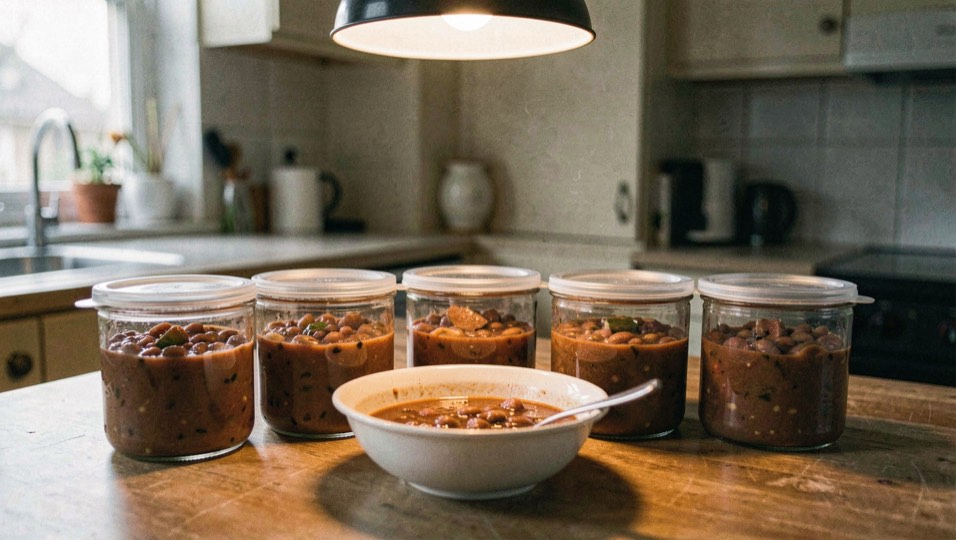
The store cupboard and the week ahead. Lists that match the way a household actually cooks, rotation so nothing is lost at the back, and batches worth making.
Open the shelf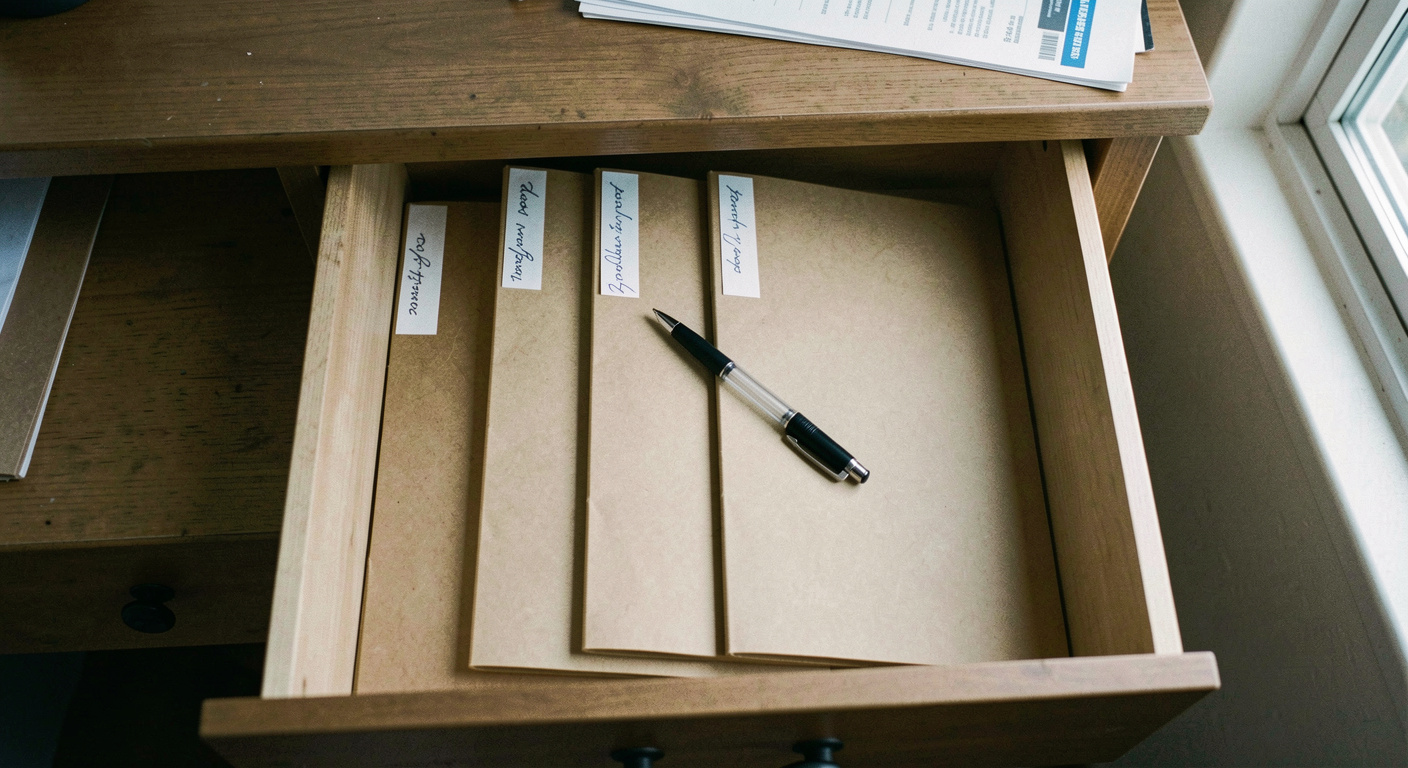
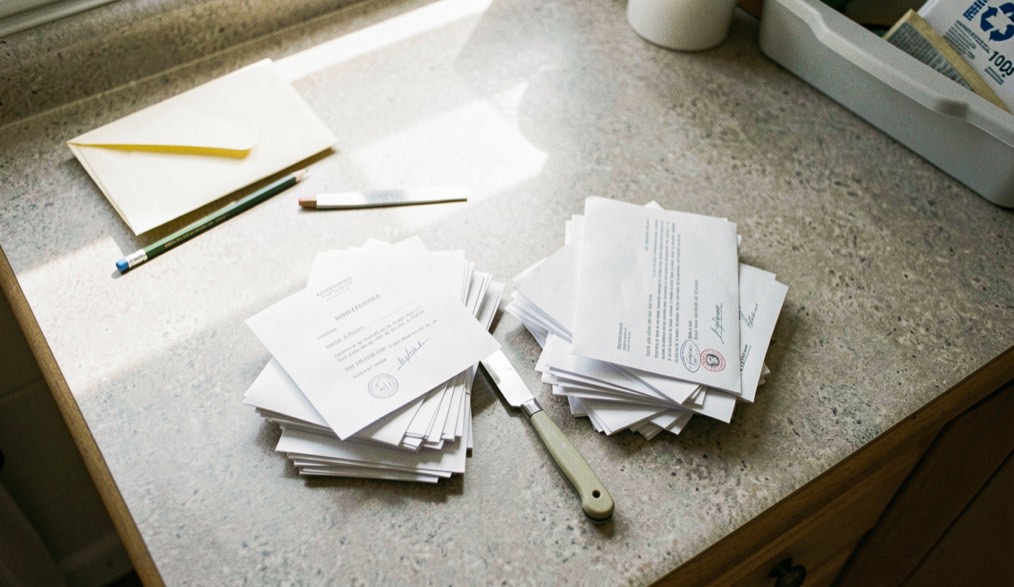
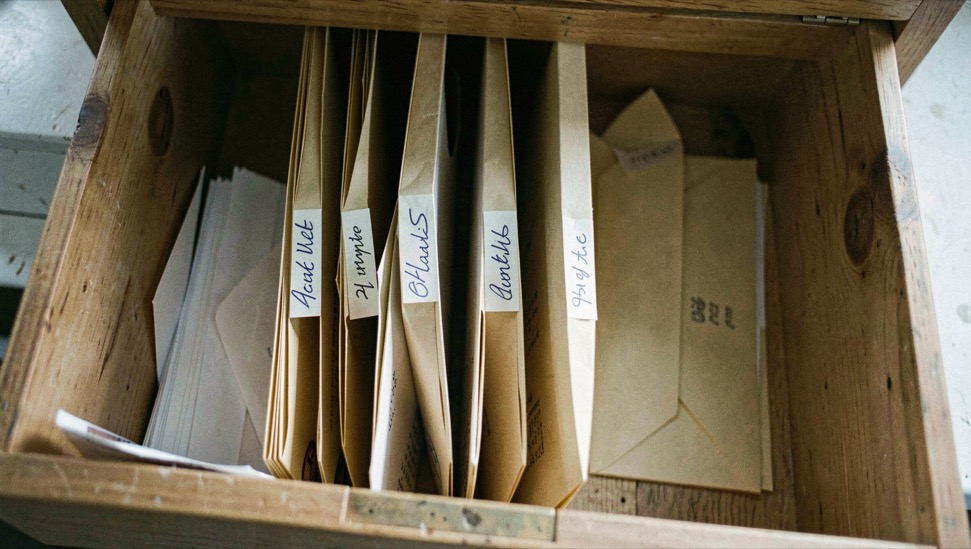
Papers, warranties, meter readings and inventories. What a household needs to find within two minutes, and where it should be kept so that it is found.
Open the shelfLatest entries
Entries are added as the work is done and tested in a real household. The date is the day the entry was filed.
Choosing acacia decking boards by thickness and grade, setting joist spacing under a deck, and why a ventilated cladding keeps exterior timber dry.
How to hang a mirror so it cannot fall, why an old mirror darkens at the edges, and what cleans glass without harming a frame.
Where smoke alarms go and when they are replaced, how to build an escape plan that works in the dark, and when a garden fire is allowed.
One certified HDMI lead, a soundbar that wakes with the screen, and where the boxes live: the practical order behind a television.
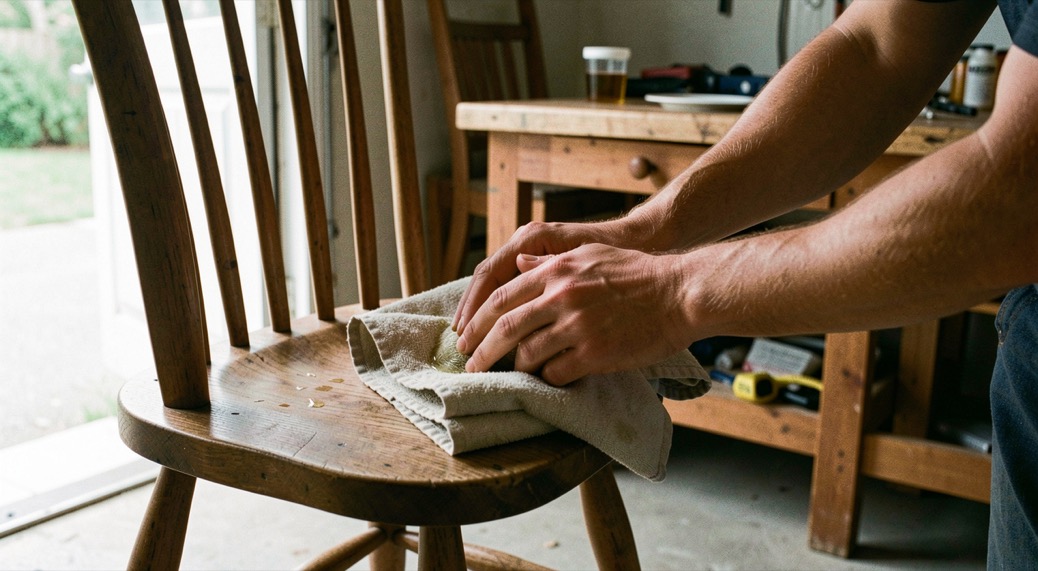
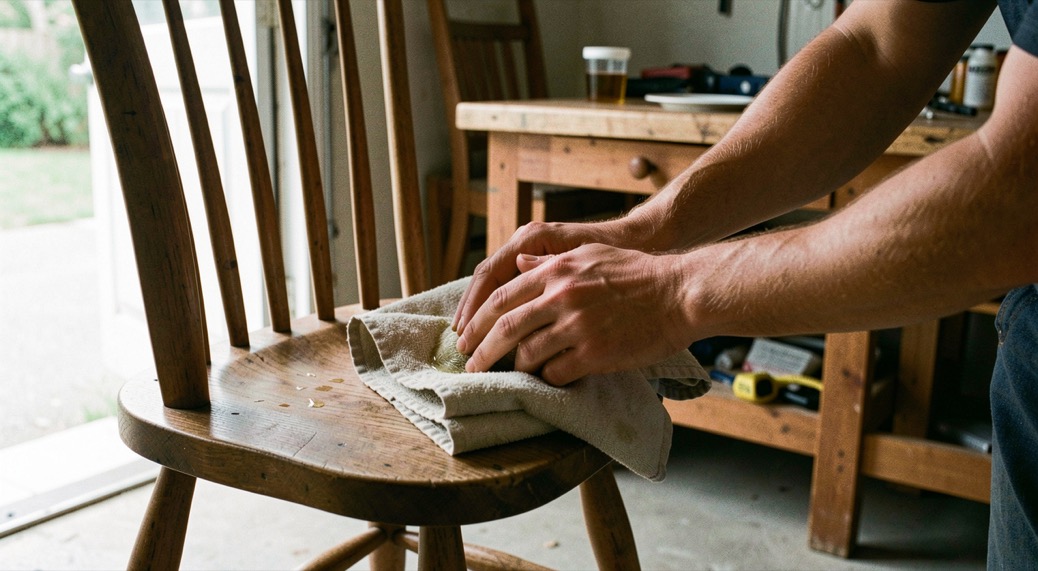
How to tell an oiled finish from a lacquered one, what a veneered panel does that solid wood does not, and how to tighten a chair joint without stripping the
How a thermal barrier, earth tubes, ground heat storage and a solar roof work together, and which measurements show whether the house performs as planned.
What a household settles before booking a weekend away, how the date is chosen so the season does the work, and what guests are asked to bring.
What to keep in the kitchen cupboard for a foot soak or a scrub, when a sugar and oil mix beats a bought one, and how a lunar calendar sets garden days.
A no-knead loaf starts the week, then leftovers carry it: what to cook without a recipe, and the small repairs worth doing before the heating season.
What a mountain house asks of a roof, how exposed pipes are protected before the first hard frost, and what to check on a property before buying.
How much water a planted bed needs in a dry summer, where shade earns its place around a house, and which low-water ground covers hold a slope.
How framed pictures are wrapped for storage, what a plaster wall asks of a fixing, and where pictures should not be kept between hangings.
What makes a table work for a group, which restaurant habits are worth keeping at home, and how a table is booked and held for a party.
A single shelf holds seed, feed and small tools. What stays within reach, how it is stored against damp and mice, and what comes indoors at season's end.
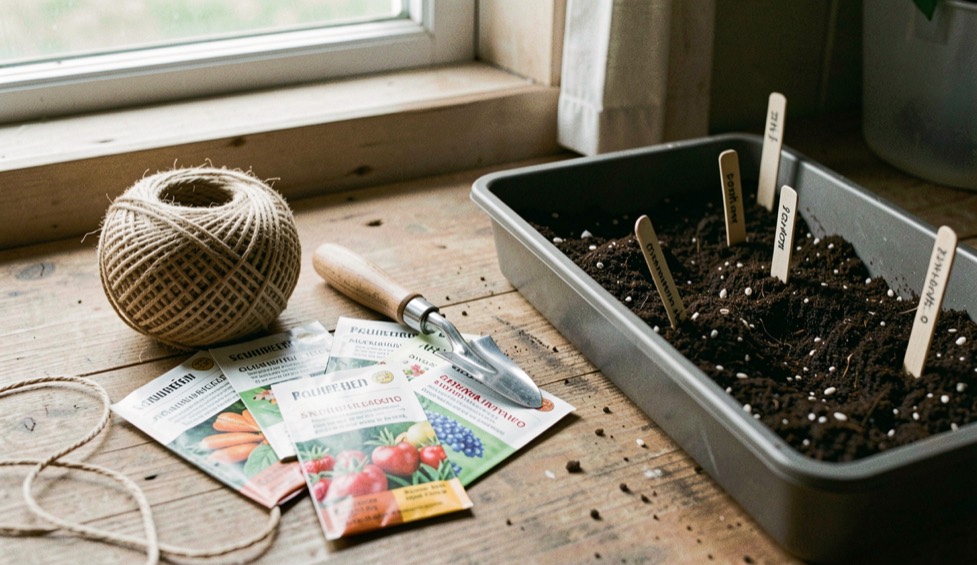
Sowing indoors, pricking out and what a late-winter windowsill really gives: a plain guide to light, timing and handling seedlings.
What to grow in a small kitchen garden, how to deal with a glut in one evening, and which utensils earn their place on the worktop.
What a mortgage application asks for, what changes between fixed and variable rates, and which papers stay in the household file after signing.
What paperwork follows a household from one address to the next, what gets checked before signing, and how the record of an old address is kept.
How to measure what a house actually spends on energy, room by room, what a heat pump or boiler costs over a year, and which measures pay back first.
A field, paddock or rough plot wants its own sheet in the calendar: which jobs belong to which season, and why the ground decides the day.
A kitchen garden is decided before it is dug: what a plot asks of a week, how much ground is enough, and what the harvest does to the pantry.
Clean, dry, breathing and labelled: how the childhood soft toys survive the loft and come back whole twenty years later.
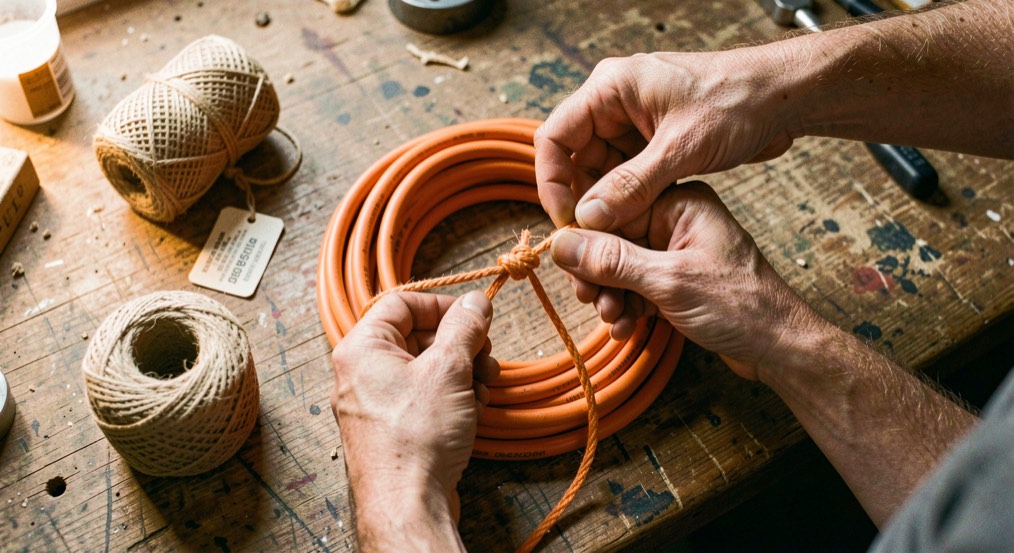
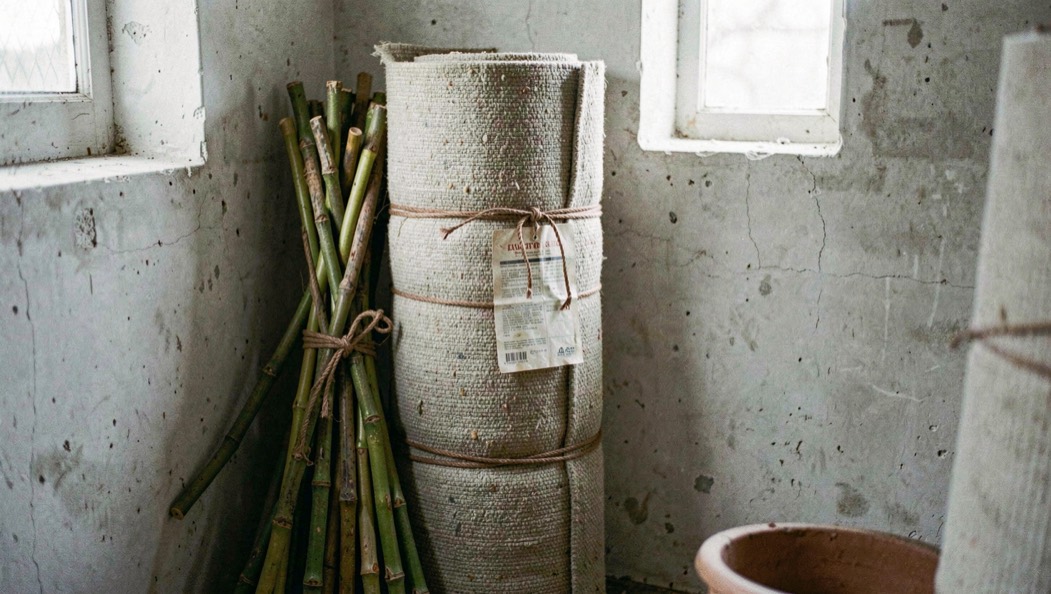
Rugs, canes, cords and poles fit no box: how the awkward shapes are rolled, bundled and tied, and the three knots that cover the work.
A games evening works like any other use of the room: decide what the surface has to hold, feed people from the week, and end with the reset half done.
A long-coated dog adds a season of mud, a shelf of kit and a weekly appointment with a brush. The house copes when all three have a place.
An instrument that has to be excavated does not get played. Where it should live, and why the visible hook beats the closed case.
A wet weekend is survivable when the kit already exists: what the rainy-day shelf holds and why it stays out of sight the rest of the time.
A house left for a week needs a closing routine, not a vague sense of unease: the last hour, room by room, ending at the front door.
Four short seasonal rounds beat one fixed chore list: which jobs belong to which season, and how to rotate the house with the months.
Denim wears for years if it is bought and washed on what the label actually says: weight, weave and the symbols that matter.
The medicine cupboard is a store cupboard with paperwork: what belongs in it, how to read the leaflets, and when to clear it out.
How this record is written
Nothing is filed here until it has been run in a household for long enough to fail at least once. Entries are revised when the practice changes, and the date on an entry moves with it. You can read the whole record in date order on the index of entries, or start with what Kept is for.
Further afield
A household record runs into paperwork, pets, music and mending that belong to another shelf entirely. These are the desks that keep them.
When a paper trail runs through a state office, the Georgia records desk maps which office holds which document, from open records requests to superior court filings.
Households that want a reliable city routine can check NYC set-out and bin rules, a plain-English guide to containers, sorting and curbside compost.
Families running a week between two houses will recognise the shared calendar between homes kept by The Long Table, written from Exeter and the Devon coast.
Before signing for new units, The Sash and Frame Ledger walks through what to check on replacement windows, doors and glazing in England, from frame quality to FENSA paperwork.
A household file stays manageable with The Billing Desk, which explains medical bill paperwork, common billing errors and written disputes in plain terms.
A heavy wool kilt asks for the same steady habits as the rest of the house: The Tartan Ledger explains caring for a wool kilt, from brushing and airing to safe storage.
For the house's own network and shared folders, Net Sharing keeps notes on moving files across a home network without a cloud, and on passwords kept in a manager.
For the safety pass on a seasonal walkthrough, The Home Fire Watch publishes home fire safety guides: alarm tests, carbon monoxide placement and a family escape plan.