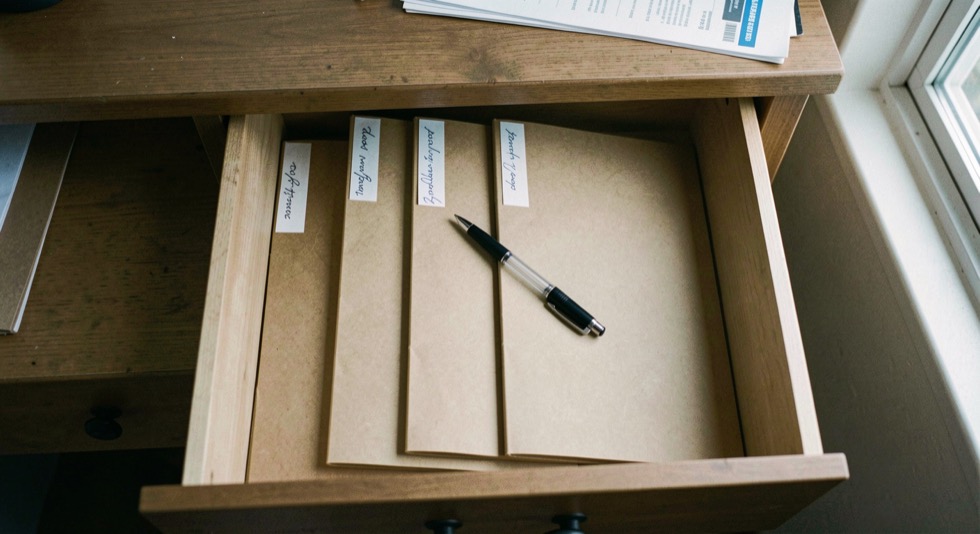
Wrapping framed pictures for storage
How framed pictures are wrapped for storage, what a plaster wall asks of a fixing, and where pictures should not be kept between hangings.
The practice of running a home, written down.
Filed from March 2026
Section
Storage is not a question of how much room a house has. It is a question of how many steps, doors and other objects stand between a person and putting something back, which is why two houses of the same size can behave completely differently. This shelf holds the decisions that come before any container is bought: how often a thing is used, how far the hand has to travel, what the label says, and how much of a cupboard is deliberately left bare.
Every entry here starts from the same test. Stand where you are at the moment you need the object, and count what is in the way. Entries say what to measure, where to put the result, and what the arrangement costs when it is wrong. Where the real problem turns out to be an evening habit rather than a shelf, the entry says so and points back to routines, and where it turns out to be stock quietly aging at the back of a cupboard, it points to provisions.
How framed pictures are wrapped for storage, what a plaster wall asks of a fixing, and where pictures should not be kept between hangings.
A single shelf holds seed, feed and small tools. What stays within reach, how it is stored against damp and mice, and what comes indoors at season's end.
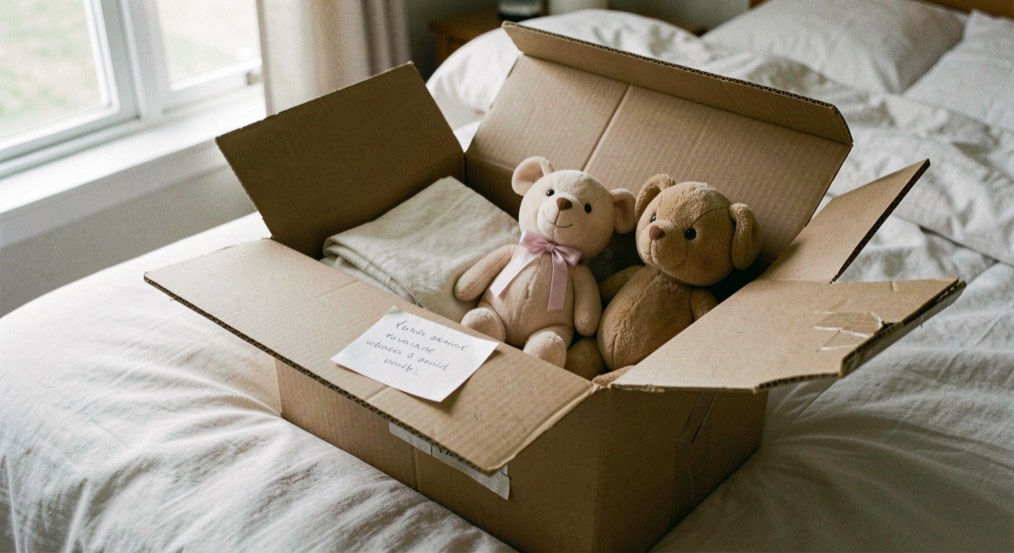
Clean, dry, breathing and labelled: how the childhood soft toys survive the loft and come back whole twenty years later.
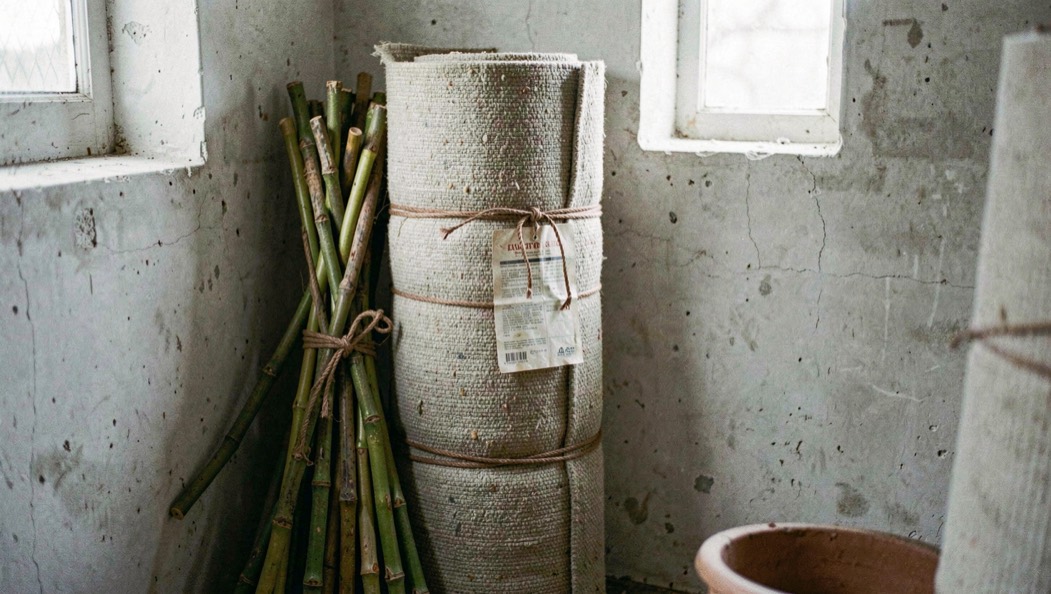
Rugs, canes, cords and poles fit no box: how the awkward shapes are rolled, bundled and tied, and the three knots that cover the work.
An instrument that has to be excavated does not get played. Where it should live, and why the visible hook beats the closed case.
A wet weekend is survivable when the kit already exists: what the rainy-day shelf holds and why it stays out of sight the rest of the time.
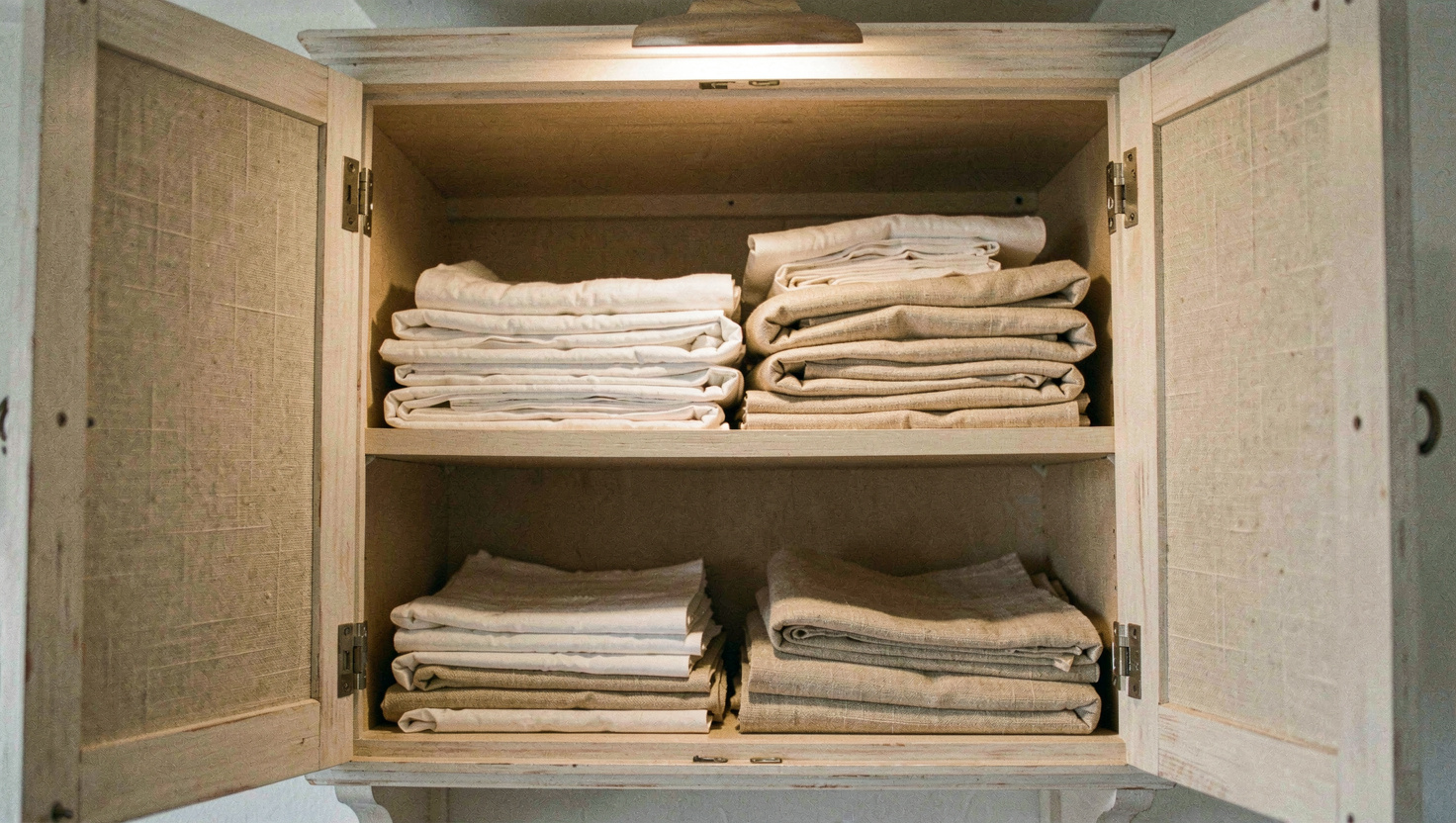
A jar used daily and a jar used at Christmas should never share a shelf. Sorting a house by how often you reach for something removes most of the tidying before it starts.
A cupboard filled to capacity has no way of absorbing a delivery, a school holiday or a bad week. Slack is what makes a storage system survive contact with real life.
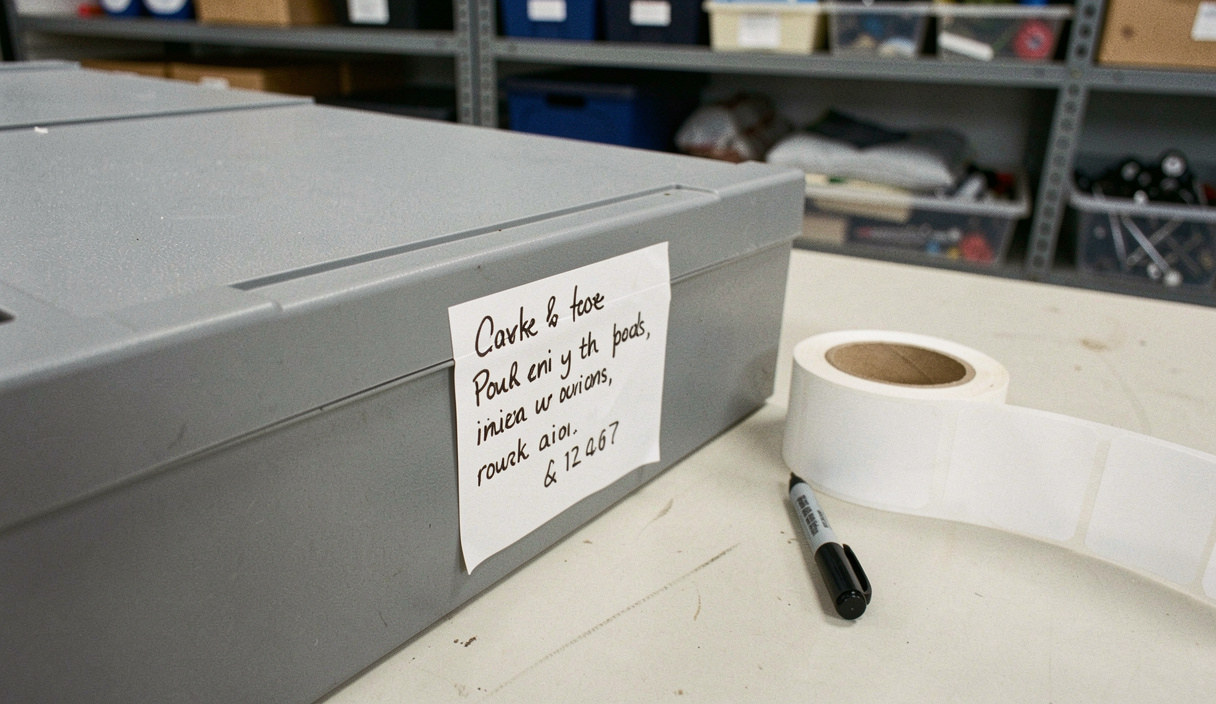
A label written in biro on masking tape is gone by autumn. What survives a year is a label chosen for the surface it sits on, and written the same way every time.